Bulky Waste Disposal After a Worcester Park Move
Posted on 22/05/2026
Bulky Waste Disposal After a Worcester Park Move: A Practical, Local Guide for Clearing the Leftovers
Moving home has a habit of exposing everything you forgot you owned. The dining chair with the wobbly leg. The second sofa that never really fit the room. The old mattress you meant to replace "soon" three years ago. After a Worcester Park move, bulky waste disposal can feel like the final, awkward chapter that nobody warned you about. Yet it matters more than most people think.
Clearing large unwanted items properly is not just about tidiness. It helps you hand back a property in good condition, settle into your new place without clutter, and avoid the stress of leaving heavy rubbish sitting in the hallway while you try to unpack. Truth be told, bulky items are often the last things people deal with, because they're inconvenient, dusty, and a bit of a faff. But handled well, the process is straightforward.
This guide explains what bulky waste is, how disposal usually works after a move in Worcester Park, what to watch out for, and how to decide between reuse, storage, recycling, and removal. If you are trying to clear space quickly but sensibly, you're in the right place.

Why Bulky Waste Disposal After a Worcester Park Move Matters
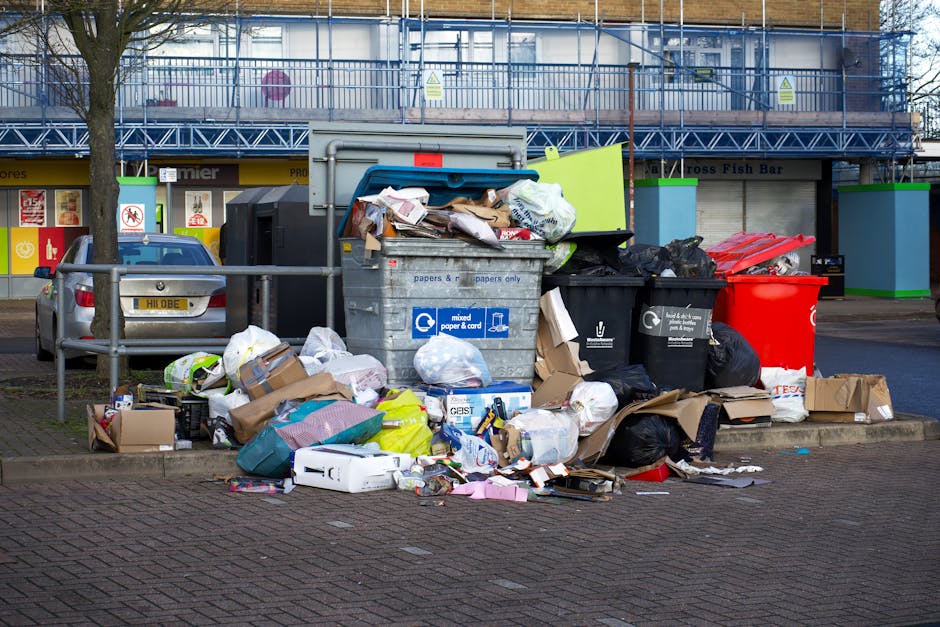
After a move, bulky waste is rarely a single item. It's usually a collection of things that didn't make the cut: old furniture, worn-out appliances, broken garden bits, packaging that has outstayed its welcome, and household items that are too large for normal bins. In a busy move, these items can block access, slow down cleaning, and make a property feel half-finished even after the last box is in.
That matters for several reasons. First, space. Your new home should not start life crowded by objects you no longer need. Second, safety. Large items left in the way can become trip hazards, scratch floors, or make moving day more chaotic than it already is. Third, cost. If you leave disposal until the very end, you may end up paying more for urgent collection or needing a second trip. Nobody wants that on a Tuesday afternoon with the kettle not even unpacked yet.
There is also a practical local angle. In an area like Worcester Park, many homes include flats, terraces, driveways, shared access points, and narrower roads where moving large items is easier said than done. Planning bulky waste disposal alongside house removals in Worcester Park or flat removals Worcester Park keeps the move cleaner and less rushed. A well-timed clear-out can also support a smoother handover if you are leaving a rented property.
Expert summary: bulky waste disposal is best treated as part of the move itself, not as an afterthought. The earlier you separate keep, sell, donate, recycle, store, and dispose, the easier the whole process becomes. Small decision now, less chaos later.
How Bulky Waste Disposal After a Worcester Park Move Works
There isn't one single way to get rid of bulky waste after moving. In practice, people usually combine a few methods depending on the item, its condition, and how quickly it needs to go.
The first step is to identify what counts as bulky waste. Typically, this means large household items that are awkward to place in ordinary refuse containers. Think sofas, wardrobes, beds, mattresses, tables, chairs, freezers, washing machines, exercise equipment, and similar oversized pieces. If it takes two people to carry it, it probably deserves a plan of its own.
Once items are identified, the disposal route tends to fall into one of these categories:
- Reuse if the item is still usable and safe.
- Resell or donate if it has value and someone else may need it.
- Recycle if the item can be broken down into recyclable components.
- Dispose through a suitable collection or removal service when the item is beyond practical reuse.
Many people also use this moment to declutter more broadly. If that sounds familiar, the advice in this decluttering guide for a simpler move can help you decide what deserves a second life and what really doesn't.
From a logistics point of view, the process usually looks something like this:
- Walk through each room and list bulky items.
- Check condition, size, and whether they can be reused.
- Separate items needing special handling, such as appliances or mattresses.
- Book the most suitable collection method for the amount of waste.
- Prepare access routes so items can be moved out without damage.
- Complete disposal, then do a final sweep for hidden bits and packaging.
The detail that people often miss is timing. A sofa can be easy to deal with when you have a free weekend and a clear hallway. It becomes a nuisance when it's sitting in the middle of your new lounge with no one quite ready to deal with it. That's why so many move-related waste problems come down to timing rather than volume.
Key Benefits and Practical Advantages
Good bulky waste disposal does more than create a tidy room. It changes the whole feel of the move. You can actually breathe a bit easier when the large, awkward stuff is gone.
- More usable space: your new property feels settled sooner, which helps psychologically as much as practically.
- Less stress on moving day: fewer items to carry, fewer decisions under pressure, and fewer "where on earth does this go?" moments.
- Reduced risk of damage: large items are the most likely to mark walls, scuff floors, or pinch fingers if they are moved in a rush.
- Better organisation: sorting bulky waste forces you to separate essentials from leftovers, which often improves the whole move.
- Cleaner handover: if you are leaving a home, clearing large waste items supports a better final inspection and a less frantic last day.
There is also a sustainability angle. When bulky items are still in decent condition, reuse and donation are often worth considering before disposal. That is especially true for furniture. A solid wooden table may not suit your new space, but it could still have years of life left. For people moving larger pieces, furniture removals in Worcester Park can sit neatly alongside a disposal plan, making it easier to separate what is being kept from what is leaving for good.
And yes, there's a mental benefit too. Getting rid of bulky clutter gives you a visible win. One empty room can make the entire move feel less endless. That small sense of progress matters.
Who This Is For and When It Makes Sense
This topic is relevant to almost anyone moving home, but it tends to matter most in a few common situations.
- Homeowners downsizing: when the new home has less room, bulky items quickly become negotiation points.
- Tenants ending a lease: leaving unwanted furniture behind is risky and can lead to avoidable issues.
- Families upgrading furniture: a move often coincides with replacing beds, sofas, or appliances.
- Students leaving shared housing: bulky waste can appear all at once at the end of term, usually in a rush.
- Office movers: desks, cabinets, and outdated equipment often need sorting during a relocation.
If you are a student, the pace of a move can be especially tight. That is one reason student removals Worcester Park and a quick waste plan often go hand in hand. When you only have a narrow window between tenancies, there is very little room for "we'll deal with that later." Later has a way of becoming not at all.
It also makes sense to think about bulky waste disposal if your new home has limited storage. A lovely flat can still become cluttered fast if you carry over the wrong items. If you are unsure whether something should be stored, sold, or scrapped, a measured approach usually wins. More on that in a moment.
Step-by-Step Guidance
Here is a practical way to handle bulky waste after a Worcester Park move without overcomplicating things.
1. Start with a room-by-room sort
Walk through each room and mark items as keep, store, donate, sell, or dispose. Be honest. If you have not used something in years and it does not suit the new place, that's a strong signal. The temptation is to keep "just in case" items. We've all done it. Usually the cupboard wins, and nobody else is impressed.
2. Separate bulky items from general waste
Do not let oversized items get mixed in with bagged rubbish. Keep mattresses, wardrobes, sofas, and appliances together so you can plan their removal properly. This makes the job easier for everyone and helps you avoid last-minute confusion.
3. Check condition and handling needs
A scratched chair may still be usable. A broken recliner with exposed frame parts probably is not. Appliances need extra care because they can contain components that should not be treated like ordinary rubbish. If in doubt, treat the item as a special case.
4. Measure access points
Measure doorways, stair turns, lifts, hallways, and parking access before moving large waste out. It sounds obvious, but many people only discover a problem when a sofa is already halfway to the front door. That is not a great moment.
5. Decide on the disposal route
Choose the route that best fits the item and your timeline. If you have time, sell or donate usable pieces. If you need speed, a removal service may be the cleaner option. For urgent situations, same day removals in Worcester Park can be useful when bulky waste needs to go fast and you do not want the old place cluttering up the schedule.
6. Prepare the item for collection
Empty drawers, remove loose parts, tape doors shut if appropriate, and protect floors and corners on the route out. If you are clearing out a freezer or fridge, it helps to follow sensible storage and defrosting habits first; this freezer storage guide offers a useful starting point for handling appliances carefully.
7. Confirm what happens next
Once the bulky waste is removed, check that the room is clear and that any remaining items are documented. If you are leaving a property, a final clean can make a real difference. The article on pre-move house cleaning is worth a look if you want the last stage to feel more controlled.
Expert Tips for Better Results
The difference between a decent bulky waste plan and a truly smooth one usually lies in the details. Here are the things that help in real life, not just on paper.
- Clear bulky waste before the main move if you can. It creates space for boxes and reduces the number of items competing for attention.
- Keep tools close. A screwdriver, gloves, tape, and a marker pen save far more time than people expect.
- Use labels generously. Write "keep", "donate", "dispose", or "storage" on items and boxes. Future-you will be grateful.
- Protect walls and floors. Even a narrow hallway can collect scuffs very quickly during large-item movement.
- Book storage if you are undecided. Temporary storage can be a sensible pause button for things you do not want to rush. Storage in Worcester Park may be a practical option when you need time to decide properly.
- Think in categories, not single items. One mattress is simple. A mattress, bed frame, wardrobe, and old chair is a project. Treat it like one.
One useful real-world habit is to create a "last out" pile for anything bulky that stays behind after the main load has gone. Keep that pile by the door or in one room only. It sounds minor, but it stops the whole house from turning into a maze again by 6pm.
If lifting and carrying are part of the job, do not underestimate the strain. A lot of awkward furniture injuries start with "I'll just shift it myself." The guide on moving heavy objects more manageably is a sensible reminder that technique matters.
Common Mistakes to Avoid
Bulky waste disposal sounds simple until one of these mistakes gets in the way. They're common, honestly, and very avoidable.
- Leaving it until the last day: this is the biggest one. It creates stress, extra cost, and last-minute decisions.
- Assuming every item can be dumped together: some things need special handling, especially appliances or items with reusable parts.
- Forgetting access limitations: tight staircases, shared entrances, and parking restrictions can complicate removal.
- Not checking condition first: you may throw away something that could have been sold, donated, or stored.
- Trying to lift too much at once: bulky waste is awkward for a reason. One bad lift can ruin a moving day very quickly.
- Ignoring cleaning and final checks: hidden debris, screws, and small offcuts can be left behind easily.
There is also a quieter mistake: emotional attachment. People sometimes keep damaged furniture because it has "history". Fair enough. But if it no longer works in your home and it is taking up precious space, sentiment alone can become expensive clutter. You do not need to become ruthless, just honest.
Tools, Resources and Recommendations
You do not need specialist equipment to sort bulky waste well, but a few tools make the job safer and less frustrating.
- Work gloves: useful for rough surfaces, splinters, and dusty edges.
- Furniture straps or lifting aids: helpful for heavier pieces where controlled movement matters.
- Measuring tape: essential for doorways, hallways, stair turns, and vehicle access.
- Marker pens and labels: great for quick sorting in a busy home.
- Blankets or protective covers: useful for preventing scratches during movement.
- Cleaning cloths and bin bags: because bulky waste often leaves dust, screws, or odd little leftovers behind.
If your move is still underway, it helps to keep the packing side organised too. These stress-free packing tips pair well with waste disposal planning, because a calm pack-up and a clear-out tend to support each other. Likewise, if you are moving large furniture rather than disposing of it, bed and mattress moving advice can help reduce damage and wasted effort.
For people moving a full household, broader support can also help. You may find it useful to review the full range of removal services in Worcester Park so you can match the disposal task to the rest of the move instead of treating everything as separate jobs.
Law, Compliance, Standards, or Best Practice
Without getting too heavy about it, there are some sensible compliance points to keep in mind. In the UK, waste should be handled responsibly, and you should only use disposal arrangements you trust. If someone offers to "take it away cheap" and cannot explain where it goes, that is a red flag. Not always, but enough times to be worth noting.
Best practice means choosing a route that protects you, your property, and the environment. That usually includes:
- checking that items are disposed of through a legitimate and traceable process;
- keeping a clear record of what was removed if you need evidence for a landlord, agent, or inventory check;
- separating reusable items from items that are genuinely waste;
- handling heavy items safely so no one gets injured during the move;
- being careful with appliances, sharp materials, and anything that could leak, stain, or break.
If you are comparing service providers, it is sensible to ask about handling practices, insurance, and how waste is managed. The page on insurance and safety is useful for understanding how a professional approach should be framed. You can also review health and safety commitments if you want extra reassurance around safe handling.
Practical note: compliance is not just about rules; it's also about common sense. If an item is heavy, sharp, electrical, or awkward, treat it like it deserves proper handling. Because it does.
Options, Methods, or Comparison Table
There are several ways to deal with bulky waste after a Worcester Park move. The best choice depends on time, item condition, access, and how much effort you want to spend.
| Method | Best for | Pros | Limitations |
|---|---|---|---|
| Reuse or donate | Usable furniture and household items | Reduces waste, supports others, often free | Needs time, condition must be good |
| Sell privately | Items with remaining value | Can offset moving costs | Requires photos, messaging, collection coordination |
| Store temporarily | Items you may keep but cannot place yet | Buys thinking time, avoids rushed decisions | Storage cost and access planning |
| Professional removal | Large volumes, heavy items, urgent clear-outs | Fast, convenient, less lifting for you | Usually paid service, requires booking |
| DIY disposal | Small amounts and confident movers | Flexible, can be low cost if you already have transport | Time-consuming, physically demanding, easy to underestimate |
For most post-move situations, a mixed approach works best. Keep what still has value, store what you are unsure about, and remove the rest. That balance tends to save time and regret. Yes, regret is a real moving-day currency.
Case Study or Real-World Example
Consider a typical Worcester Park move: a couple leaves a two-bedroom flat and discovers they no longer want a large sofa, an old wardrobe, a damaged office chair, and a freezer that has already seen better days. None of the items is difficult on its own, but together they create a bottleneck. The hallway is narrow, the lift is small, and boxes are already stacked by the door.
Instead of waiting until the final evening, they sort the bulky items three days earlier. The sofa and wardrobe are checked for reuse potential. The office chair goes straight into disposal. The freezer is emptied and planned separately, after some careful prep. The items they are keeping are moved under cover or stored short term. The result is less clutter on moving day, fewer trips through the corridor, and a much calmer property handover.
What made the difference was not brute force. It was sequencing. They treated bulky waste as part of the move, not as an extra task. That is the main lesson. The "big stuff" is easier when it is handled in stages.
In similar moves, people often connect the waste plan with the rest of the relocation, such as man with a van support in Worcester Park or a more complete removal service in Worcester Park. That kind of joined-up approach usually saves a surprising amount of energy.
Practical Checklist
Use this checklist before, during, or just after your move to keep bulky waste under control.
- Identify every bulky item in the property.
- Decide whether each item should be kept, stored, sold, donated, or removed.
- Separate items that need special care, such as appliances or broken furniture.
- Measure doorways, stairs, lifts, and access routes.
- Gather gloves, tape, labels, and basic tools.
- Protect floors and walls along the removal route.
- Check whether anything can be reused before throwing it away.
- Book disposal or removal in advance where possible.
- Clear one area fully before moving on to the next.
- Do a final sweep for screws, packaging, and hidden items.
Quick takeaway: The best bulky waste plan is usually the one that starts early, sorts items honestly, and keeps the process simple. Less last-minute lifting, less mess, less headache.
If your move is still in motion and you want to keep the whole thing feeling manageable, it can help to read these practical tips for a less stressful house move. Small improvements in planning tend to make a bigger difference than people expect.
Conclusion
Bulky waste disposal after a Worcester Park move is one of those jobs that looks minor until it starts eating up time, space, and attention. Once you give it a proper plan, it becomes much easier to manage. Sort early, decide honestly, and choose the disposal route that suits the item rather than forcing everything into the same box.
For some items, reuse or storage makes sense. For others, quick removal is the right call. The key is not perfection. It is momentum. A clear room, a safe path, and a sensible disposal choice can make the rest of the move feel lighter straight away.
Get a free quote today and see how much you can save.
And if you are still in the middle of the move, don't panic. One clear decision at a time is enough. That's usually how the messy chapter turns into the finished one.